
A wider world, a clearer business view
International opportunity becomes easier to assess when the relationships, dependencies and assumptions are visible.
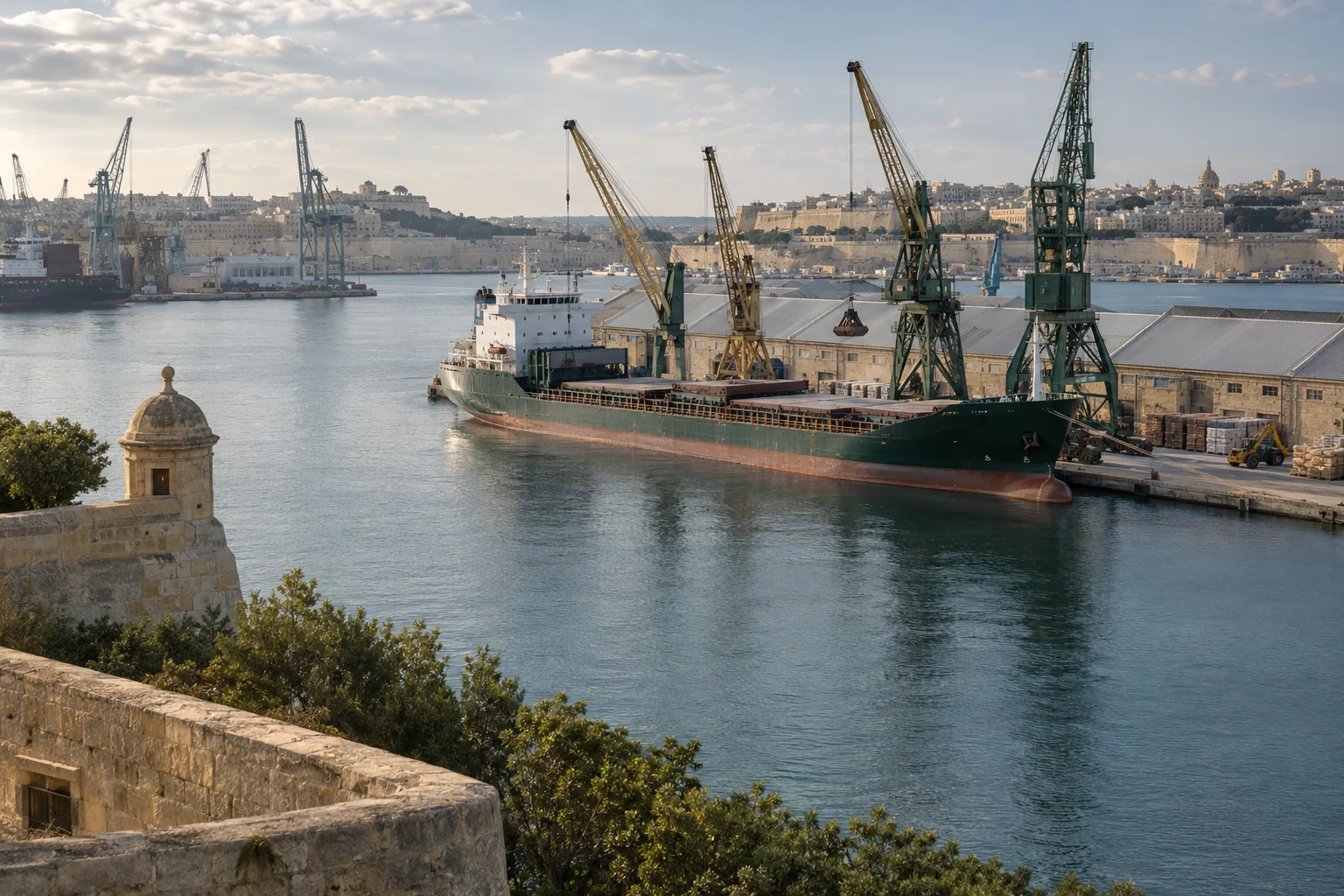
A business can become international long before it opens an overseas office. A component, a customer, a payment currency or a logistics route may already connect its everyday decisions to another part of the world. The first step is to recognise those connections.
Map the real connections
Begin with a map of the business as it works today. Where are customers located? Where do essential materials originate? Which suppliers depend on another supplier you have never met? Which transport routes, payment arrangements and specialist people keep the operation moving?
A supplier’s registered address may describe only one part of the story. An apparently domestic input can depend on overseas production. A geographically diverse customer list may still rely on a single distributor. Looking through the first layer of relationships can reveal a concentration that a country-by-country sales chart misses.
Understand the local question
Entering a new market is a question about a particular place, not only a larger version of the home market. Customer expectations, after-sales support, language, payment practices and the way contracts are agreed can affect whether an attractive product is practical to deliver.
Write down what you know and what you are assuming. A small trial may help test demand or service requirements, but it does not resolve legal, tax or regulatory questions. Local professional advice and reliable public guidance have different roles from commercial enthusiasm. Give each a place in the decision.
Follow the cash across currencies
Consider the interval between agreeing a price and receiving payment. If revenue and costs are denominated in different currencies, a movement in the exchange rate can change the result expressed in the business’s reporting currency. The US International Trade Administration’s foreign-exchange guide explains this exposure for exporters.
The question is broader than predicting a currency’s direction. Identify the amounts, currencies, dates and contractual terms first. Understand whether the customer or the supplier carries a particular exposure, and whether that exposure has merely moved elsewhere in the commercial arrangement. Any specialist financial instrument requires its own assessment of terms, costs and risks.
Resilience needs options
The WTO’s World Trade Report 2021 examines both the vulnerability and resilience of interconnected trade, including the role of diversification. It offers a useful frame: access to more relationships can create options, while poorly understood dependencies can leave a business exposed.
For an individual company, options have to be usable. A second supplier is less helpful if it cannot meet the required specification or ramp up when needed. A reserve transport route may require different lead times and documentation. Review those practical details before an interruption, and make clear who has authority to respond. A wider business view is not a forecast of the next shock. It is a more accurate understanding of the business you already have.
Keep the map current as the business changes. A new distributor or a revised product specification can alter a dependency without attracting much attention. The useful international perspective is a habit of asking where the next connection leads.
Supporting perspectives
Official guidance and original sources related to this article.
This article is general educational reading. Personal financial, legal and tax decisions depend on your circumstances and the applicable jurisdiction. Read our editorial approach.
Back to the Journal