
Identify each piece
Use a consistent reference and a clear description. Keep records of where the object is held and which documents belong with it.
Art, craftsmanship and personal collections carry meaning as well as a history. Looking after both begins with a useful record.
Bring the details together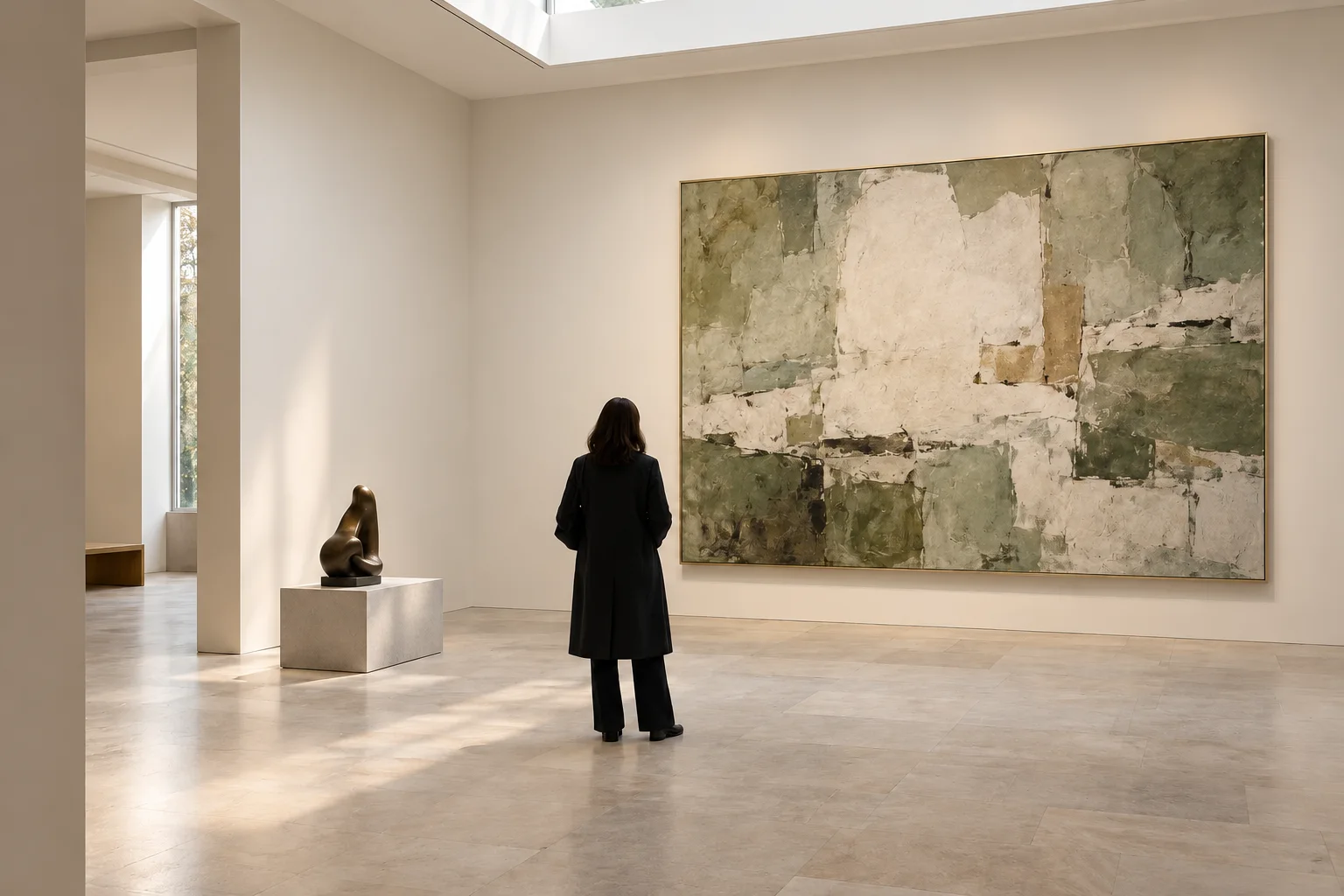
A collection might begin with a single piece and grow across places, years and interests. An inventory gives each object a distinct identity and helps preserve the context that made it worth collecting.
The record can connect a photograph, description and ownership history with the people who can explain the object. It can also make uncertainty visible: a missing document or an unconfirmed attribution is a question to investigate, rather than a detail to smooth over.
Use a consistent reference and a clear description. Keep records of where the object is held and which documents belong with it.
Retain receipts, correspondence, exhibition references and other relevant provenance records. The strength of a history depends on its evidence and the questions that remain.
Condition, handling, insurance and future ownership deserve their own conversations with the appropriate specialists. A general reading guide cannot authenticate or value an object.
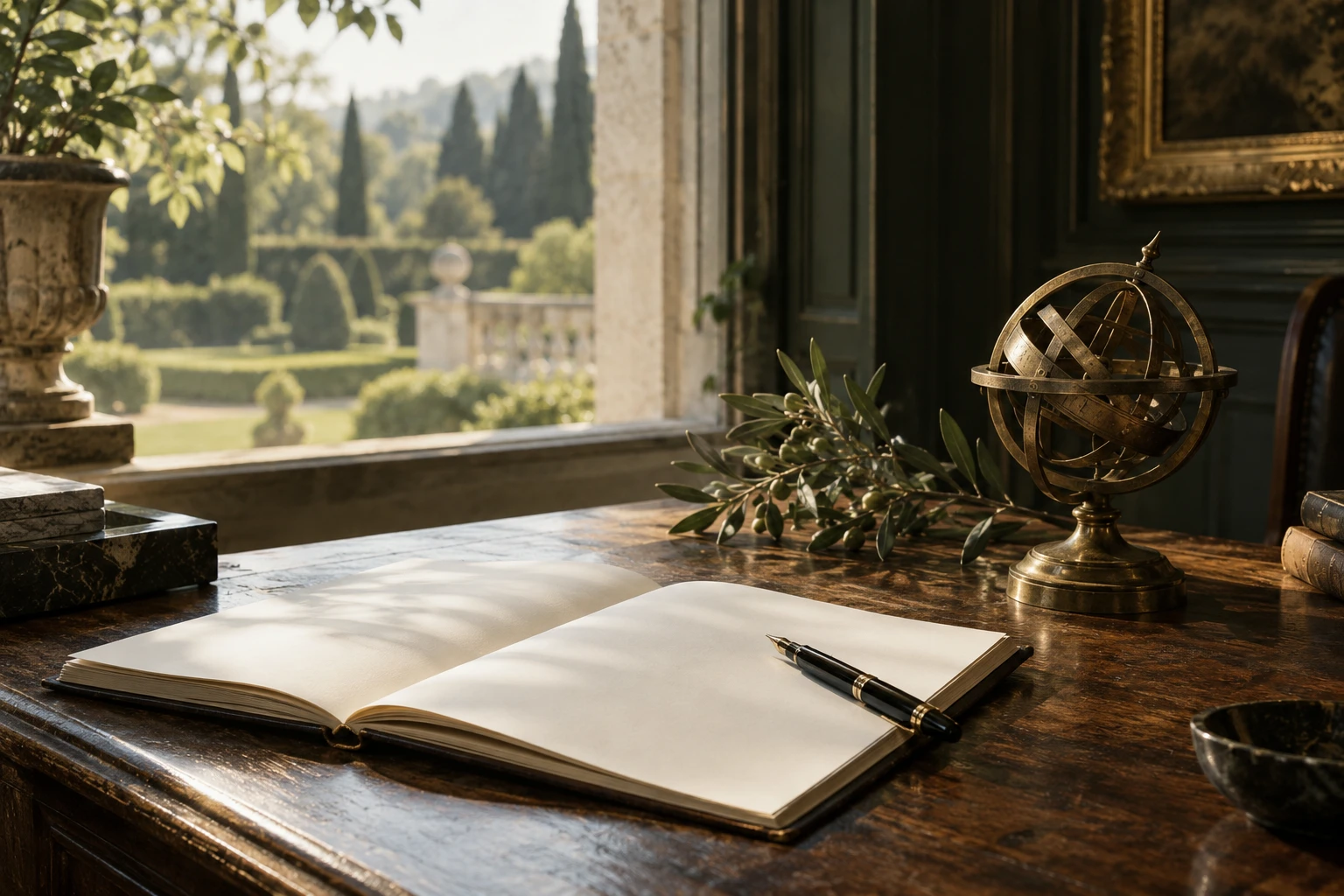
An object’s journey can be complex. Research may uncover several owners, a gap in documentation or a question about how it changed hands. A good record preserves the evidence as it stands, including the limits of what is known.
When a collection is passed on, those questions remain part of its history. Giving a future owner the context, professional contacts and source documents can be as thoughtful as passing on the object itself.
Use these prompts to think about the information and questions you may want to bring together. They are a starting point, rather than an assessment or a recommendation.
Mark items as considered. Choices reset when you leave this page.
An inventory identifies and describes items. A valuation has its own purpose, methodology and date, and may require a qualified specialist. Keep the two clearly labelled in your records.
This website does not arrange art lending, valuations, authentication or insurance. Its collection pages are educational perspectives on organisation, provenance and care.
Use a suitable secure archive or collection-management system for actual records. The sample banking workspace is not a document vault, provenance database or insurance schedule.
A collection grows richer when the stories, evidence and responsibilities behind its objects remain visible.
Read the perspective
What a family knows today should be understandable to the people who may need it tomorrow.
Read the perspectiveOne deliberate pause can connect the year’s everyday details to the priorities that still matter.
Read the perspective